Excessive sweating can be uncomfortable, frustrating, and sometimes embarrassing. Whether it happens during a normal workday, while socializing, or even when you’re sitting still, persistent sweating can interfere with everyday activities and affect your confidence.
For people who struggle with excessive perspiration, Botox for excessive sweating is a treatment option that can help manage a condition known as hyperhidrosis.
Botox is commonly associated with reducing fine lines and wrinkles, but it also has an important medical application: temporarily reducing sweat production in targeted areas of the body.
If you experience excessive underarm sweating, sweaty palms, or other localized sweating concerns, here’s what you should know about how Botox works, which areas can be treated, how long results last, and what to expect during and after treatment.
What Is Hyperhidrosis?
Hyperhidrosis is a medical condition characterized by excessive sweating that goes beyond what the body needs to regulate its temperature. People with hyperhidrosis may sweat heavily even when they aren’t exercising, experiencing heat, or physically active.
The condition can affect specific areas of the body, commonly including:
- Underarms: Persistent sweating that can soak through clothing, even in comfortable temperatures.
- Hands and palms: Excessive perspiration that makes writing, holding objects, or shaking hands uncomfortable.
- Feet: Sweaty feet that can cause discomfort and contribute to odor.
- Forehead and face: Excessive facial sweating that can interfere with makeup and everyday activities.
- Other localized areas: Additional areas may be evaluated by a qualified medical provider.
For some people, traditional antiperspirants simply aren’t enough. When excessive sweating begins to affect daily life, Botox may be an option worth exploring.
How Does Botox Stop Excessive Sweating?
Botox reduces excessive sweating by temporarily blocking the nerve signals that activate sweat glands. Specifically, it prevents the release of acetylcholine, a chemical messenger responsible for signaling sweat production.
Here’s how it works:
- Your nervous system sends signals to activate sweat glands.
- These signals use a chemical messenger called acetylcholine.
- Botox temporarily blocks the release of acetylcholine in the treated area.
- Without those signals, the targeted sweat glands produce significantly less sweat.
The result is reduced perspiration in the treated area.
Importantly, Botox does not stop your body’s natural ability to regulate temperature. It works locally, meaning sweat production in untreated areas continues normally.
Where Can Botox Be Used to Treat Excessive Sweating?
The most common use of Botox for hyperhidrosis is treating excessive underarm sweating, also known as axillary hyperhidrosis.
However, depending on the patient’s needs and medical evaluation, Botox may also be considered for other areas.
Underarms: Botox can significantly reduce underarm perspiration, helping patients feel more comfortable wearing everyday clothing and participating in social and professional activities.
Hands and palms: Botox can help reduce excessive hand sweating, which can interfere with everyday tasks and personal interactions. Temporary hand weakness is a potential side effect that should be discussed before treatment.
Feet: Treatment may help manage excessive sweating on the soles of the feet.
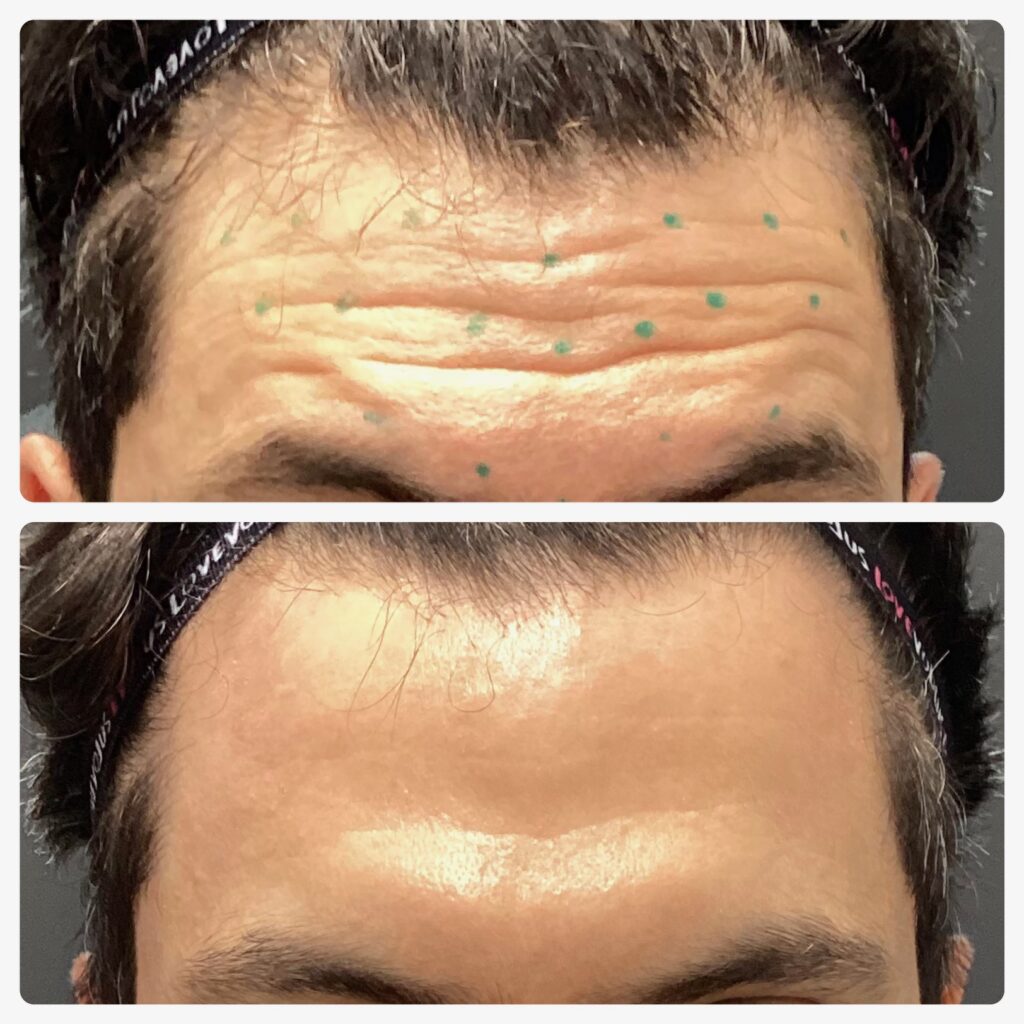
Forehead and face: Botox may be considered for certain cases of excessive facial or forehead sweating, with careful attention to surrounding muscles.
One important distinction: Botox is FDA-approved for severe primary underarm hyperhidrosis when topical treatments have not provided adequate relief. Treatment of other areas is considered off-label.
What Happens During Botox Treatment for Hyperhidrosis?
Botox treatment for excessive sweating is a minimally invasive procedure performed in a medical office. The process generally involves four steps:
1. Consultation: Your provider evaluates your sweating concerns, reviews your medical history, and determines whether Botox is an appropriate treatment option.
2. Treatment preparation: The targeted area is cleaned. For underarm treatment, your provider may use a specialized iodine-starch test to identify areas of increased sweating.
3. Small injections: Botox is administered through a series of small injections just beneath the skin throughout the treatment area. A fine needle is used, and patients may experience mild pinching or stinging.
4. Aftercare: Most patients can return to their normal activities relatively quickly, following their provider’s recommendations.
The actual treatment is generally completed during a short office visit.
How Long Does Botox Last for Excessive Sweating?
Botox for underarm sweating typically lasts four to six months, although individual results vary. Some patients may experience relief for longer.
Most patients begin noticing improvement within approximately 7 to 10 days, with full results generally developing within two weeks.
Several factors can influence how long results last, including the treatment area, severity of sweating, individual response to Botox, and how quickly the body naturally metabolizes the treatment.
As the effects gradually wear off, sweat production returns. Patients who want to maintain their results can discuss a schedule for repeat treatments with their provider.
What Should You Expect After Botox for Sweating?
Most patients tolerate Botox treatment for excessive sweating well. Some temporary side effects may occur, including:
- Mild redness or tenderness around injection sites.
- Minor swelling or bruising.
- Temporary discomfort in the treated area.
- Temporary hand weakness when treating the palms.
Your provider will explain appropriate aftercare and potential side effects based on the treatment area.
Is Botox for Excessive Sweating Right for You?
If excessive sweating is interfering with your daily routine, clothing choices, or confidence, you don’t have to assume it’s something you simply need to live with.
Botox offers an effective treatment option for many people experiencing hyperhidrosis, particularly those who haven’t achieved adequate results with traditional antiperspirants.
The first step is a consultation with a qualified healthcare provider who can evaluate your concerns, discuss treatment options, and determine whether Botox is right for you.
At Onyx Wellness & Aesthetics, we believe feeling comfortable and confident starts with understanding your options. If excessive sweating is affecting your everyday life, let’s talk about possible solutions.
Frequently Asked Questions About Botox for Excessive Sweating
Does Botox really stop excessive sweating?
Botox can significantly reduce excessive sweating by temporarily blocking the nerve signals that activate sweat glands. It works in the specific areas treated without stopping normal sweating throughout the rest of the body.
How long does Botox last for underarm sweating?
Botox for underarm sweating typically lasts four to six months. Results vary by individual, and repeat treatments may be recommended to maintain results.
How quickly does Botox work for hyperhidrosis?
Most patients begin noticing a reduction in sweating within 7 to 10 days. Full results generally develop within approximately two weeks.
Can Botox treat sweaty hands and feet?
Yes. Botox may be used off-label to treat excessive sweating in the palms and soles of the feet. Treatment suitability and potential side effects should be discussed with a qualified provider.
Is Botox for excessive sweating FDA-approved?
Yes. Botox is FDA-approved for severe primary underarm hyperhidrosis in adults who have not responded adequately to topical treatments. Use in other areas, including hands, feet, and face, is considered off-label.
Does Botox for sweating hurt?
Patients typically describe the injections as brief pinching or stinging sensations. A fine needle is used, and comfort measures may be available depending on the treatment area.
Will I sweat more in other areas after Botox treatment?
Botox works locally in the treated area. It does not typically cause compensatory sweating in other areas, although individual experiences can vary.